Eat well, not less
GLP-1 medications naturally reduce appetite — but what you choose to eat still matters. Small, consistent changes to food quality can amplify the benefits of treatment and support long-term weight health.
Prioritise protein at every meal
Protein keeps you full longer, preserves muscle mass during weight loss, and has the highest thermic effect of any macronutrient. Aim to include a palm-sized portion of protein — eggs, fish, chicken, legumes, or Greek yoghurt — at breakfast, lunch, and dinner.
Build meals around vegetables
Non-starchy vegetables add volume, fibre, and micronutrients with minimal calories. Try filling half your plate with vegetables before adding other components. This crowds out lower-quality foods without restriction.
Don't fear carbohydrates — choose quality
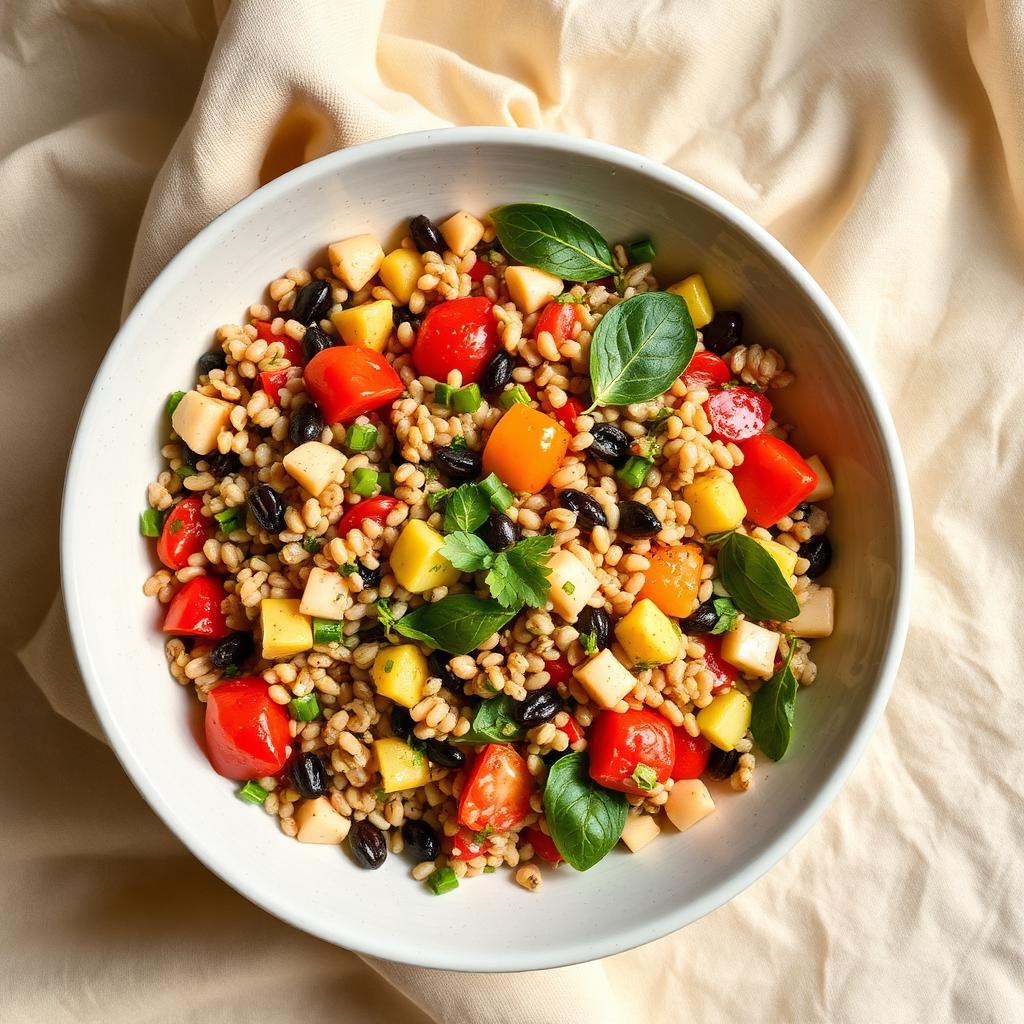
Whole grains, legumes, oats, and root vegetables provide sustained energy and feed gut bacteria that support metabolic health. Ultra-processed carbohydrates (white bread, pastries, sweetened cereals) are worth reducing — not because of calories alone, but because they drive hunger cycles.
Eat slowly and without distraction
It takes around 20 minutes for satiety signals to reach your brain. Eating slowly — and away from screens — means you're more likely to stop before overeating. On GLP-1 treatment, this becomes especially important as your appetite signals are already being modulated.
Quick tips
- Prep protein sources in batches at the start of the week
- Keep washed vegetables at eye level in the fridge
- Swap sugary breakfast cereals for eggs or overnight oats
- Drink a glass of water before each meal
Explore other habits


Combine habits with clinical support
Our clinicians help you build a personalised plan that combines the right treatment with lifestyle guidance tailored to you.